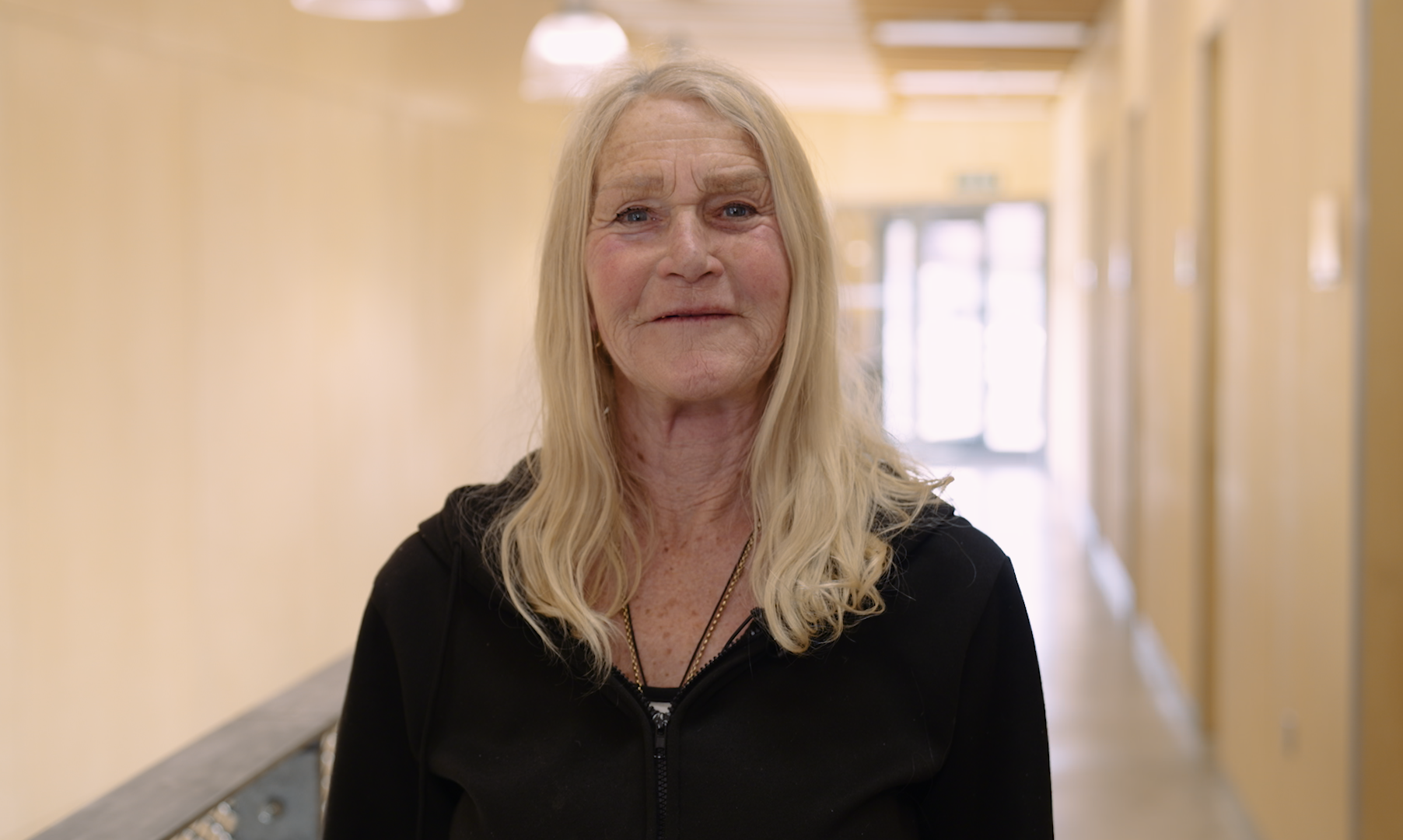
Jill’s quit story
Jill, a 72-year-old from Sheffield has told how she quit smoking after almost 60 years to ensure she can maintain her ‘high-energy’ lifestyle of keep-fit classes, boxercise and yoga – and keep playing on the swings with her great-grandkids.
Former personal fitness trainer Jill Foulkes says exercise and fitness has been a constant throughout her life, but admits she was always unable to shake off her only vice – cigarettes.
Having started smoking at the age of 13 on the way to and from school, she has now finally cut out her 15-a-day habit thanks to free specialist support from Sheffield smoking cessation service.
And, having failed to quit on previous attempts, she is urging others to follow her lead and take advantage of the ‘wonderful support’ she received, as part of the Smokefree Starts campaign to help people across South Yorkshire stop smoking for good.
“I’ve had two addictions in my life, exercise and fitness and smoking, which I guess you’d say don’t really go together,” said Jill, who spends her time between her home in Manor Top, Sheffield and her apartment in Turkey.
“I’ve smoked since I was 13 and I admit I was addicted. It was what I turned to when I wanted to relax and unwind. I think it’s the same for all smokers, it’s just something you automatically do without thought as it becomes habitual.”
“I’d tried to quit smoking a few times in my life but never managed to do it alone, so I turned to expert help and to now be five months without having had a cigarette is fantastic.”
Having continued to smoke for six decades, despite ever-increasing public health warnings and campaigns over the dangers and life-reducing impact of cigarettes, Jill says it was a persistent cough and sore throat in recent years, which was aggravated when smoking, which led her to seek support.
She turned to Smokefree Starts, which connects people to their local stop smoking support services across South Yorkshire and offers tailored support to put people at ease and meet their individual needs, whether it be via one-to-one or group sessions, with support offered face-to-face, over the telephone or even online.
Jill had a weekly phone call with a specialist advisor and was given a free stop smoking inhaler, which releases a clean, low-level dose of nicotine, to help manage her cravings and withdrawal symptoms, without the harmful chemicals found in tobacco.
“The help I’ve had has been wonderful, and it has been so easy as it was all done over the phone with my advisor, just the one phone call a week.”
“They provide really helpful advice and support, offering reassurance and encouragement. You don’t feel judged at all. It’s all very positive.
“The nicotine replacement therapy inhaler has been really helpful for me as I think often it’s just the instinctive action of reaching for a cigarette that you crave, not the actual cigarette itself.
“I’ve always said a cigarette has been like an adult dummy for me, so you are replacing it with something else which isn’t doing harm, and is gradually weaning you off your addiction.”
Now, Jill is hoping to find extra energy to ensure she can continue enjoying her health and fitness activities, and spend precious time with her grandchildren, for many years ahead.
“I’m 72 now so maybe I’ve left it a bit late, as at my age, my body is obviously not what it used to be, but I know I’ve done the right thing in stopping and I feel proud of myself,” she said.
“Hopefully it will help me keep doing my fitness classes and yoga, and to keep getting on the swings with my grandchildren at the park. I want to spend as much time with them as I can maintain my high-energy lifestyle.”
Stop smoking services are three times more effective than trying alone
Smoking rates in South Yorkshire remain above the national average as 12.6% of adults smoke compared to 10.9% in England, totalling around 141,000 people.
Specialist stop smoking services are the most effective approach to quitting as they are three times as effective as when people try to quit on their own, but they are used by only around 5% of smokers.
South Yorkshire Tobacco Alliance aims to make smoking obsolete in South Yorkshire by 2030.


